Is Using Second‑Hand Sandwich Panels Reasonable? A Review of Advantages, Disadvantages, and Applications
In recent years, with rising construction costs, many contractors and developers have been looking for ways to reduce the initial expenses of building projects. One option that is sometimes considered is using second‑hand sandwich panels.
But the key question is this: Is using second‑hand panels really an economically and technically sound decision?
In this article, we will thoroughly examine the benefits, limitations, and conditions for using second‑hand sandwich panels to determine in which projects this option is acceptable, and in which cases it is better to use brand‑new panels.
What Are Second‑Hand Sandwich Panels?
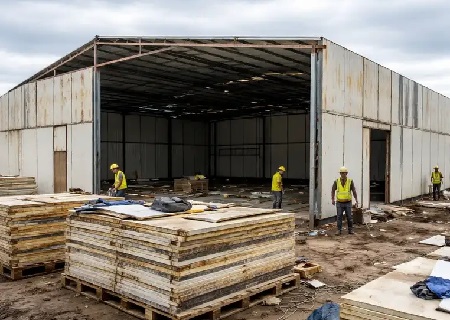
Second‑hand sandwich panels are panels that have already been used in a construction or industrial project and are returned to the market after dismantling the structure. These panels usually come from projects such as:
- Temporary warehouses and industrial sheds
- Construction site camps
- Prefabricated buildings
- Portable units and relocatable structures
After dismantling, they may appear visually intact, but their real performance can only be assessed through proper technical inspection.
Why Do Some Projects Consider Using Second‑Hand Panels?
The main reason is lower cost. At first glance, the reduced purchase price seems attractive for budget‑limited projects.
However, the purchase price is only part of the total cost. Additional expenses—such as reinstallation, repairs, transportation, and reduced insulation performance—can significantly impact the final cost.
Therefore, choosing second‑hand panels should be based on a careful evaluation of the project’s requirements.
Challenges and Disadvantages of Second‑Hand Sandwich Panels
Although second‑hand panels may be cheaper, they often come with technical limitations that should be considered before usage.
Reduced Thermal Insulation Performance
During dismantling, the insulating core or the bond between layers may be damaged. This leads to higher heat transfer and increased energy consumption.
Physical and Surface Damage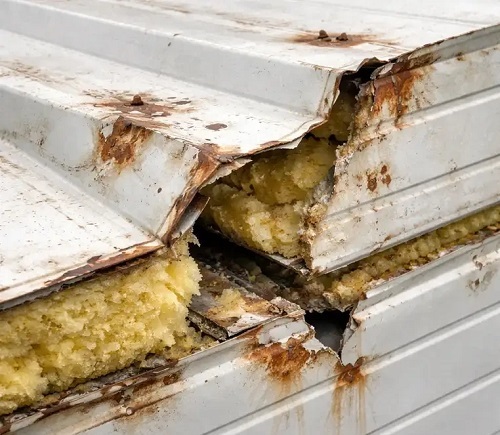
Second‑hand panels are commonly subject to:
- Dents and impact damage
- Scratches
- Corrosion of metal sheets
- Edge and joint damage
Such defects may not only affect appearance but also hinder proper installation.
Waterproofing and Joint Problems
The joints and overlaps between panels are critical for preventing air and water infiltration. If the edges are damaged during dismantling, leakage risks increase.
Mismatch With New Project Dimensions
Often, the available panel sizes do not match the design of the new project, requiring cutting or modifications. This increases waste and installation costs.
Comparison: New vs. Second‑Hand Sandwich Panels
Key differences to consider:
Insulation Quality
New panels offer reliable thermal and acoustic insulation. Second‑hand panels may experience reduced insulation performance.
Durability and Service Life
New panels provide consistent quality and longer lifespan. The lifespan of second‑hand panels depends heavily on previous usage conditions.
Initial Cost
Second‑hand panels cost less upfront, but additional expenses can reduce the savings.
Where Can Second‑Hand Sandwich Panels Be Used?
In some cases, using second‑hand panels may be acceptable, such as:
- Temporary or short‑term structures
- Construction camps
- Basic storage units
- Spaces where temperature control is not critical
If the panels are inspected and verified to be in acceptable condition, they can be a cost‑effective option.
Where Is It Better to Use New Sandwich Panels?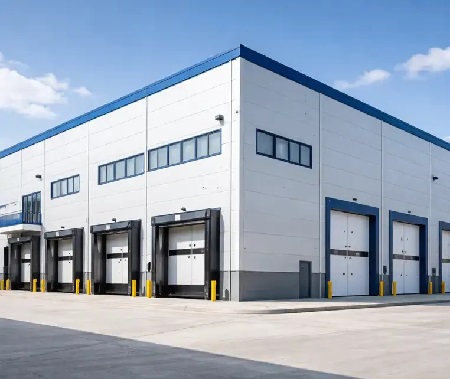
For many industrial and specialized projects, new panels are a safer choice, especially for:
- Cold storage facilities
- Food and pharmaceutical industries
- Industrial production halls
- Permanent buildings
- Projects where energy efficiency is important
In such cases, proper insulation, structural integrity, and hygiene standards are critical.
Is Buying Second‑Hand Sandwich Panels a Good Economic Decision?
It depends on the project type, expected service life, and environmental conditions. For temporary projects, second‑hand panels may be reasonable. But for most industrial or long‑term projects, investing in new panels is more cost‑effective in the long run.
A thorough evaluation of both initial and long‑term costs is essential before making a decision.
Consultation for Choosing the Right Panel
Selecting between new and second‑hand panels should consider project usage, environmental conditions, insulation thickness, sheet type, and installation requirements. Proper assessment helps prevent execution problems and additional expenses.
For professional advice on choosing the most suitable sandwich panels for industrial and prefabricated projects, you can consult with the experts at Sabat Sanat to receive options that best match your technical and financial needs.
Frequently Asked Questions About Second‑Hand Sandwich Panels
Is second‑hand sandwich panel worth buying?
It may be acceptable for temporary or less critical projects, but new panels are generally recommended for industrial or permanent structures.
Does insulation performance decrease in second‑hand panels?
In some cases, yes. Damage to the core or panel edges during dismantling can reduce thermal and waterproofing performance.
Can second‑hand panels be used in industrial sheds?
This depends on the panel condition and the shed’s purpose, but new panels are usually recommended for industrial applications.
What is the most important factor when buying second‑hand panels?
Inspecting sheet condition, insulation quality, edge integrity, and installation feasibility.